
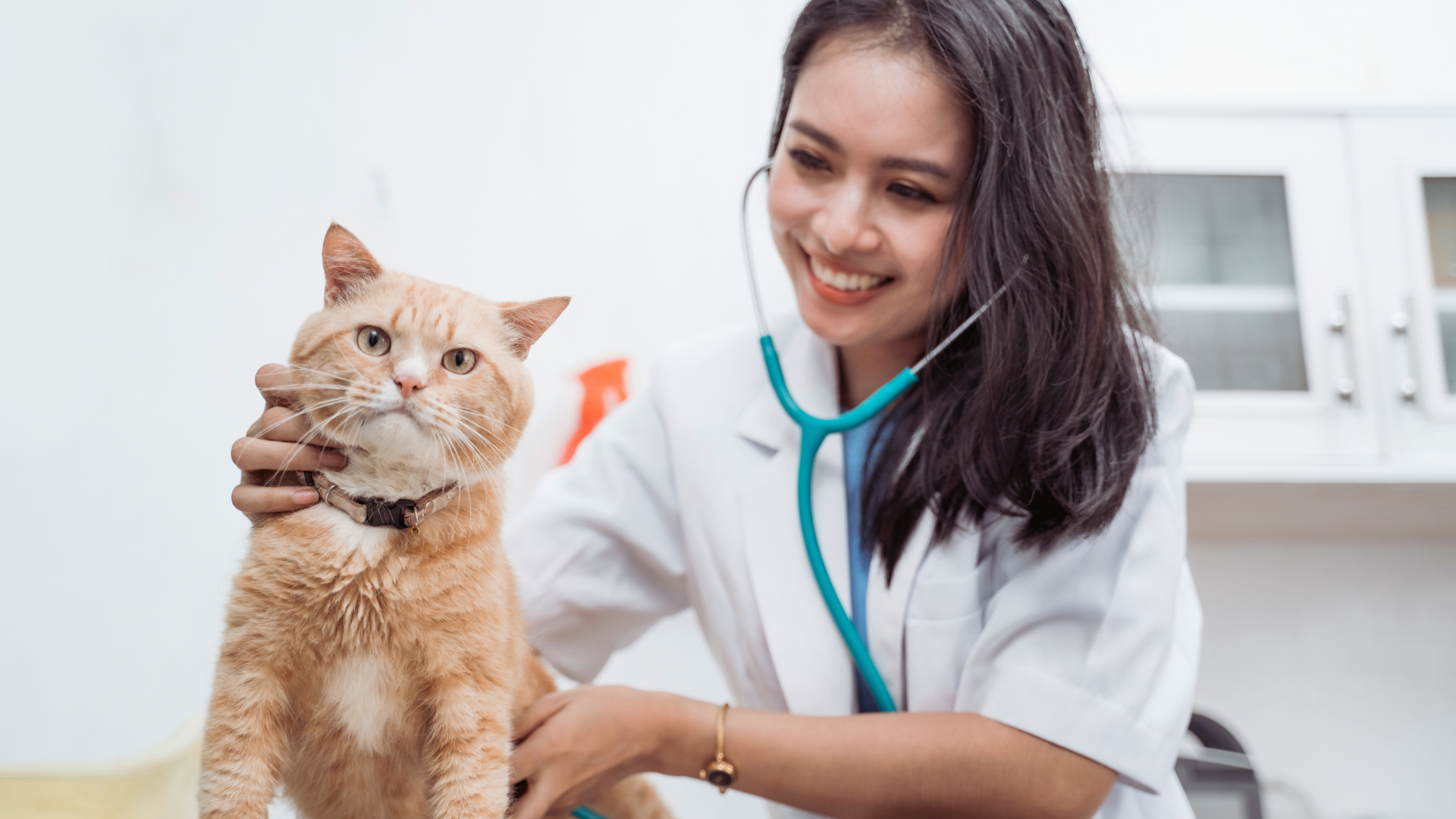
Regular veterinary check-ups are a vital aspect of maintaining pet health. These appointments help detect potential health issues early, ensuring that pets live longer, healthier lives. Just as humans benefit from routine medical examinations, pets require the same level of attention and care to monitor their well-being.
Wellness exams play a crucial role in preventative care, allowing veterinarians to assess a pet’s physical condition and recommend any necessary vaccinations or treatments. By establishing a routine schedule for veterinary check-ups, pet owners create a foundation for ongoing health monitoring and enable timely interventions when problems arise.
In addition to physical examinations, regular visits to the veterinarian foster a trusting relationship between pets and their caregivers. This familiarity can ease stress during future visits and contribute to a more positive experience during veterinary care. Recognising the significance of these check-ups is essential for any responsible pet owner.
Why Regular Veterinary Check-Ups Are Essential for Your Pet’s Health
Routine veterinary check-ups are crucial for maintaining a pet’s health, allowing for preventive care, early detection of health problems, and improved quality of life. Regular assessments can significantly reduce the risk of serious illnesses and support longevity.
Preventive Care and Early Detection of Health Issues
Regular veterinary check-ups provide essential preventive care. During these visits, vets perform comprehensive health assessments, which include physical examinations, vaccinations, and parasite control.
Identifying potential health issues during check-ups can lead to early detection of illnesses. For example, chronic conditions like diabetes or kidney disease can be managed better when caught early.
The vet’s expertise enables them to recommend tailored wellness exams based on the pet’s specific needs and history. These preventive measures are a proactive approach rather than a reactive one, ensuring pets stay healthy.
Improving Quality of Life and Longevity
Consistent visits to the veterinarian positively impact a pet’s quality of life. Through early diagnosis and treatment, they can enjoy a longer, healthier life.
Regular check-ups often help identify and manage weight issues. Obesity can lead to serious health problems like arthritis and heart disease.
Moreover, vets can offer guidance on nutrition, exercise, and dental care, all of which contribute to a pet’s overall well-being. This attentive care enhances their vitality and energy levels, ensuring they lead a fulfilling life.
Reducing the Need for Emergency Vet Visits
Routine veterinary visits can minimise the chances of emergency situations. By addressing health problems before they escalate, pets avoid severe illnesses that could lead to costly and stressful emergency vet visits.
Preventive care, such as vaccinations and routine screenings, plays a significant role in this. Knowing pets’ health status allows for timely interventions to avoid critical conditions.
This proactive approach also alleviates anxiety for both pets and their owners. Knowing that their pets are regularly monitored provides peace of mind, fostering a healthier bond between them.
Key Components of a Veterinary Check-Up
Regular veterinary check-ups incorporate several crucial elements to maintain a pet’s health. These components include thorough physical examinations, diagnostic tests, and vaccinations, all of which contribute to early detection and prevention of health issues.
Comprehensive Physical Examinations
A physical examination is fundamental during veterinary check-ups. The veterinarian assesses various aspects of the pet’s health, including growth and development, joints, and lymph nodes.
They evaluate the heart and lungs for any abnormalities, checking for heart murmurs or respiratory issues. The vet will also look for signs of pain or discomfort, which may indicate underlying health concerns. Regular assessments help in identifying potential problems early, enabling timely intervention.
Diagnostic Tests and Bloodwork
Diagnostic tests play an essential role in veterinary check-ups. Bloodwork can reveal important information about a pet’s internal health, including organ function and blood cell counts.
Common tests include complete blood counts (CBC) and biochemistry panels, which can detect conditions like kidney disease or infections. Other diagnostic tests, such as urinalysis or imaging, may be used based on the pet’s age and health status. These evaluations help guide treatment and ensure optimal health management.
Vaccinations and Parasite Prevention
Vaccinations are critical in preventing infectious diseases in pets. Core vaccines protect against serious illnesses, while non-core vaccines address specific risks based on lifestyle and environment.
Moreover, parasite prevention is vital. Treatments for heartworm disease and external parasites, such as fleas and ticks, help mitigate disease risk. Regular vaccinations and parasite control contribute significantly to a pet’s long-term health and well-being. This proactive approach reduces the likelihood of serious health issues arising in the future.
Ongoing Veterinary Guidance for Optimal Pet Wellness
Regular check-ups provide an opportunity for ongoing veterinary guidance that supports a pet’s long-term health. Access to professional and nutritional advice plays a significant role in maintaining optimal wellness.
Professional and Nutritional Advice
Veterinarians offer tailored professional advice that addresses specific health issues or conditions affecting a pet. During check-ups, they can identify early signs of diseases and recommend appropriate preventive care.
Nutritional advice is equally crucial. A balanced diet is vital for maintaining a healthy weight and preventing obesity. Vets can assess a pet’s nutritional needs based on its age, breed, and health status.
Common nutritional recommendations include:
- High-quality commercial diets
- Portion control strategies
- Treat moderation to avoid excess calorie intake
By following professional guidance, pet owners can ensure their animals receive the necessary nutrients for optimal health.
Tailored Treatments for Health Concerns
Each pet may face unique health challenges that require specific treatments. Ongoing veterinary guidance empowers owners to manage these issues effectively.
For instance, a veterinarian might prescribe medications for conditions such as arthritis or allergies. Regular check-ups allow practitioners to monitor the effectiveness of these treatments and make adjustments as needed.
Weight management is another critical aspect. Vets can devise personalised plans to help combat obesity, which is linked to numerous health problems. This can involve:
- Regular weight assessments
- Dietary adjustments
- Increased exercise recommendations
Thus, tailored treatments and continuous professional support play a vital role in ensuring long-term pet health.
The Role of Dental Care in Veterinary Visits
Dental care is a crucial aspect of veterinary check-ups. Regular assessments help in identifying issues early, promoting better overall health for pets.
Maintaining Dental Health During Check-Ups
During veterinary visits, dental health assessments typically include an examination of the gums, teeth, and overall oral cavity. This is vital for detecting tartar buildup, gingivitis, or early signs of gum disease.
Dental cleanings may be recommended based on the pet’s condition. These cleanings help prevent serious dental issues that could lead to pain or infections.
Routine check-ups enable the vet to provide tailored advice on maintaining dental hygiene at home, such as proper brushing techniques or suitable dental treats.
Link Between Dental Health and Systemic Conditions
Dental health is not just about preventing bad breath or gum disease; it has significant implications for overall health. Research has established a connection between poor dental health and various systemic conditions.
For example, bacteria from periodontal disease can enter the bloodstream, potentially affecting the heart, liver, and kidneys. This increases the risk of health problems like endocarditis and other serious illnesses.
Moreover, chronic pain from dental issues may exacerbate conditions like arthritis, impacting the pet’s quality of life. Regular dental care during vet visits can mitigate these risks, ensuring the pet remains healthy and active.