
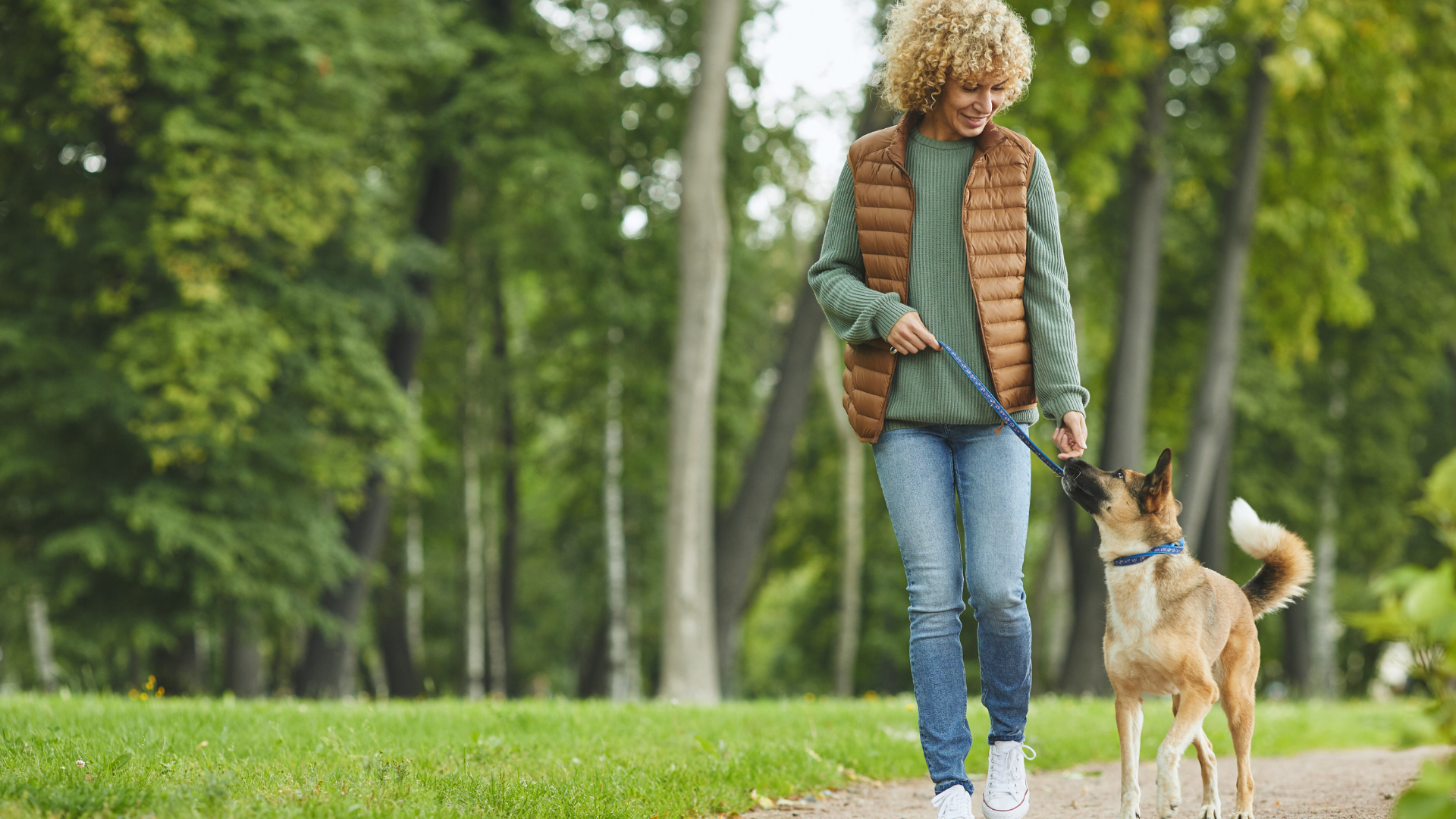
Balancing pet care with long working hours can be challenging, but it is entirely manageable with the right approach. Many pet owners worry about leaving their animals alone for extended periods, but setting a reliable routine and utilising support options can ensure pets remain healthy and content.
Simple strategies like scheduled feeding times, regular exercise before and after work, and enlisting help from pet sitters or dog walkers can significantly reduce the strain on both owner and pet. Technology, such as automated feeders and cameras, also provides practical solutions.
By understanding the specific needs of their pet and planning accordingly, individuals working long hours can maintain a strong bond and provide proper care without compromise.
Prioritising Pet Well-Being During Long Working Hours
Managing a pet’s well-being during extended work periods requires careful attention to their specific needs, breed tendencies, and emotional health. Providing the right environment and recognising stress cues are critical to maintaining a healthy routine.
Understanding Your Pet’s Needs
Each pet has individual physical, mental, and emotional requirements. For dogs, this generally includes regular exercise, mental stimulation, and social interaction. Without these, they may develop behavioural issues such as excessive barking or chewing.
Daily walks of at least 30 minutes are recommended for most dog breeds to maintain physical health. Mental activities like training sessions or puzzle toys can prevent boredom. Access to fresh water and a comfortable resting area is essential throughout the day.
Owners should track feeding times consistently and avoid sudden changes in routine. Maintaining structure helps pets feel secure despite long absences.
Assessing Suitability for Different Pets and Breeds
Certain dog breeds tolerate solitude better than others. For example, bulldogs and basset hounds may cope better with long hours alone, while energetic breeds like border collies require more attention and stimulation.
Table 1: Breed Suitability for Long Working Hours
| Breed Type | Tolerance for Alone Time | Recommended Care Adjustments |
| Low Energy (e.g. bulldog) | Moderate (4-6 hours) | Moderate exercise, comfortable environment |
| High Energy (e.g. border collie) | Low (under 4 hours) | Frequent walks, puzzle games, or dog walkers |
| Social Breeds (e.g. Labrador) | Low (under 4 hours) | Regular interaction and companionship |
Choosing the right breed or preparing an adequate support system, like dog walkers or pet sitters, is vital for long working hours.
Recognising the Signs of Separation Stress
Separation stress manifests in behaviours like incessant barking, destructive chewing, or house soiling. Dogs may also exhibit excessive licking or pacing, indicating anxiety.
It is important to observe these signs early and adjust care accordingly. Introducing comfort items such as familiar toys or clothing with the owner’s scent may reduce anxiety.
Professional help, such as behavioural training or consultation with a vet, might be necessary if stress behaviours persist. Regular monitoring is key to intervening before problems escalate.
Building Routines and Daily Care Strategies
Effective pet care during long work hours requires structured daily routines and environments that support pets’ physical and mental needs. Regular activity, feeding schedules, and home comforts help maintain health and behaviour, even when time is limited.
Establishing Consistent Schedules
Pets benefit from a predictable routine, which reduces anxiety and behavioural issues. Feeding, exercise, and toilet breaks should occur at the same times daily. For dogs, regular walks morning and evening are crucial to expend energy and relieve themselves.
Using automated feeders or timers can help maintain consistent meal times when owners aren’t at home. The schedule should include quiet periods for rest and play to avoid overstimulation. Keeping consistent timing helps the pet anticipate daily events, improving overall stability.
Morning Exercise and Enrichment
Morning activity is essential, especially for dogs. A brisk walk or play session before work helps tire the animal, easing their relaxation during the day. Mental enrichment, such as puzzle toys or a snuffle mat, stimulates the dog’s natural hunting instincts and reduces boredom.
Incorporating training exercises during this time can reinforce good behaviour. Activities that engage both mind and body set a positive tone for the day. The morning routine should balance physical exertion with cognitive challenges to maximise benefit.
Creating a Comfortable Home Environment
A safe, quiet space is key when pets are alone for extended periods. This area should contain familiar bedding, toys, and access to water. For dogs, it may also include a crate or playpen to provide security and prevent destructive behaviour.
Temperature regulation and calm lighting improve comfort. Some pets respond well to background noise, such as calming music, to reduce stress. The environment must minimise hazards and include enrichment to keep the pet engaged.
Ensuring Regular Feeding and Hydration
Adequate hydration and feeding schedules are vital for health. Automated water dispensers ensure fresh water throughout the day. Feeding should align with the pet’s size, breed, and energy needs, split into at least two meals.
Slow feeders or snuffle mats can slow eating and provide mental stimulation. Owners should monitor weight and food intake to catch any changes early. Maintaining proper nutrition supports energy levels and overall well-being during long absences.
Utilising Support Systems and Enrichment Solutions
Managing pet care while working long hours requires practical solutions to ensure animals receive adequate exercise, mental stimulation, and companionship. Using support systems and enrichment tools can keep pets healthy and happy in the owner’s absence.
Hiring a Dog Walker
Hiring a dog walker offers regular exercise and social interaction for dogs during long workdays. Professional dog walkers come on scheduled visits to take dogs on walks, helping to meet their daily activity needs.
Key points to consider include:
- Frequency and duration of walks
- Experience and reliability of the dog walker
- Ability to handle specific breeds or behavioural needs
Contracts or service agreements often specify the walk times and any important pet care instructions. This ensures consistency and peace of mind for the owner. Dog walkers also provide updates or photos to reassure owners about their dog’s well-being.
Exploring Doggy Daycare Options
Doggy daycare provides an extended supervised environment for dogs, combining playtime with socialisation. Many centres offer half- or full-day programmes, giving dogs a safe space to engage with other dogs and caregivers.
Benefits of doggy daycare include:
- Structured activities and socialisation
- Regular feeding and rest schedules
- Access to trained staff who understand dog behaviour
When choosing a doggy daycare, owners should check safety protocols, staff qualifications, and facility cleanliness. A trial day can help determine if the environment suits the dog’s temperament and needs.
Interactive Toys and Self-Play Devices
Treat-dispensing toys and snuffle mats promote mental stimulation and encourage natural foraging behaviours. These devices keep dogs occupied by rewarding problem-solving with small food treats.
Such enrichment tools help:
- Reduce boredom and destructive behaviours
- Provide slow feeding options for better digestion
- Engage dogs during periods without human interaction
Owners should select toys based on individual dog preferences, size, and chewing habits. Rotating different enrichment items also maintains the dog’s interest over time.
Remote Monitoring and Automated Care Tools
Technology allows owners to monitor and interact with their dogs remotely. Cameras with audio enable observation and two-way communication during working hours.
Automated tools include:
- Timed feeders to maintain consistent meal times
- Smart treat dispensers for remote rewards
- Environmental controls like automatic pet doors
These solutions provide reassurance and support routine care. However, they do not replace human interaction but function as supplements to existing caregiving arrangements.
Maximising Quality Time and Flexibility
Effective scheduling and smart adjustments can improve the time spent with pets despite long working hours. Prioritising meaningful interactions and embracing adaptable routines are essential steps for responsible pet care.
Making the Most of Time Together After Work
Focusing on short, engaging activities with dogs after work increases the quality of their time together. Walks of 20-30 minutes, play sessions with favourite toys, or brief training exercises stimulate both physical and mental activity.
Even brief attention can strengthen the bond and reduce stress for pets. Establishing a consistent evening routine helps dogs anticipate interaction, which adds security and comfort.
Adapting to Unpredictable Schedules
When hours vary, flexibility in pet care routines is critical. Keeping essential supplies like food, water, and toys accessible ensures dogs can manage patiently during unpredictability.
Using tools such as automatic feeders, dog cameras, or hiring occasional dog walkers cushions disruptions. Planning weekend outings or rest days strengthens the pet-owner connection when weekdays are unpredictable.
Workplace Flexibility and Pet Policies
Exploring flexible working arrangements can accommodate pet care needs. Some employers allow remote work or flexible hours, enabling more frequent breaks for dog walking or feeding.
Investigate if the workplace permits pets or has pet-friendly zones. Bringing a dog to work occasionally can relieve separation anxiety, provided it suits the dog’s temperament and office culture.