
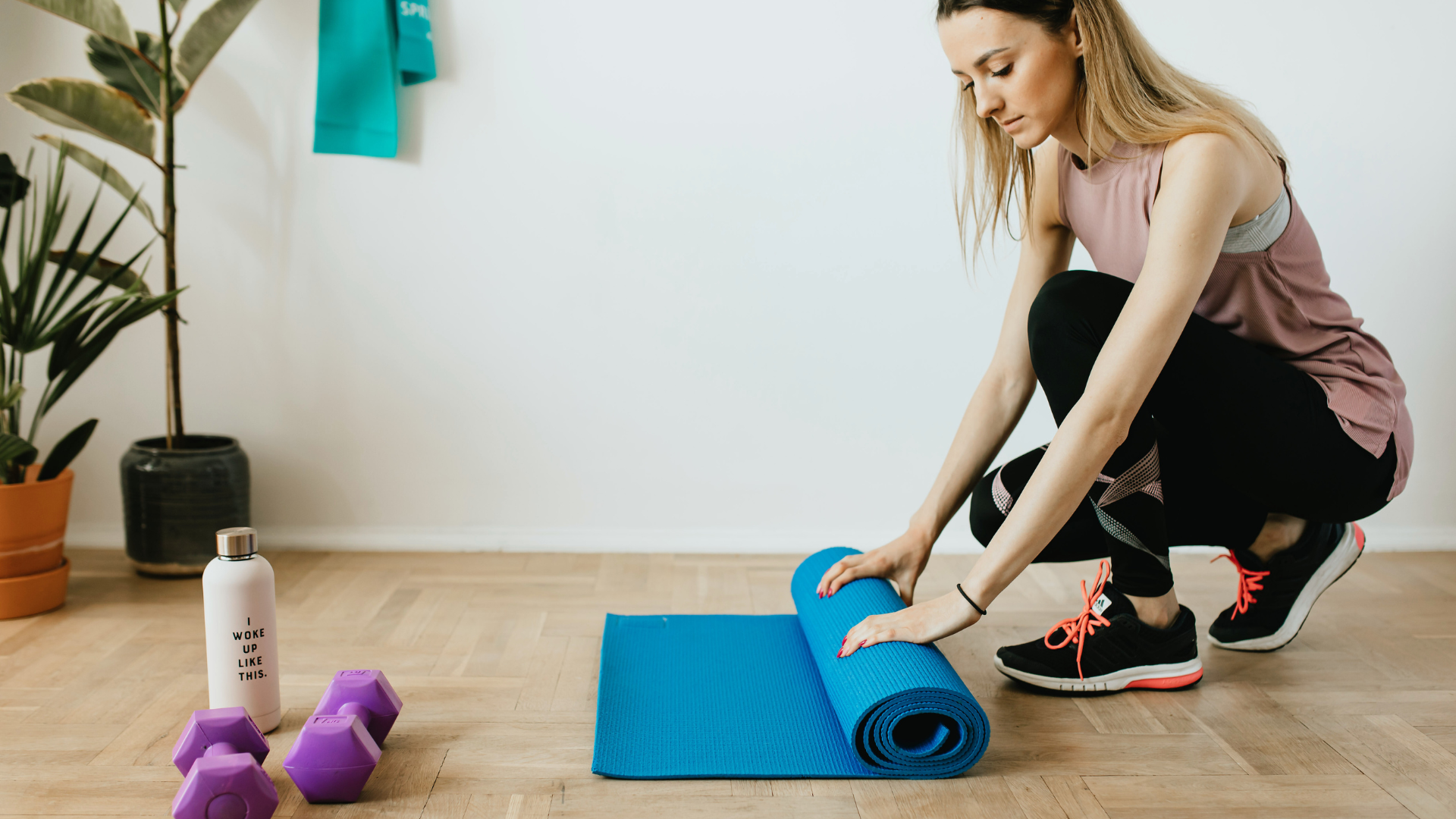
Balancing a fitness routine with a busy schedule is challenging but achievable with strategic planning. The key is to prioritise short, effective workouts that fit seamlessly into daily commitments instead of aiming for lengthy sessions. Making this adjustment ensures consistency, even during the most hectic days.
A workout routine tailored to a packed timetable focuses on flexibility and efficiency. It involves identifying small pockets of time, such as early mornings, lunch breaks, or evenings, to incorporate physical activity without disrupting other responsibilities. This approach makes it easier to maintain progress without feeling overwhelmed.
Assessing Your Time and Setting Fitness Goals
Building an effective fitness routine begins with understanding available time and clarifying what to achieve. Prioritising the right moments to exercise and setting clear, attainable goals helps maintain motivation and supports both physical health and mental well-being.
Identifying Time Slots for Exercise
He or she should start by reviewing daily and weekly schedules to pinpoint consistent free periods. Early mornings, lunch breaks, or evenings often offer opportunities for short workouts. Tracking daily activities for a week using a planner or app can reveal gaps otherwise overlooked.
Flexibility is important. If a 30-minute block is hard to find, breaking sessions into 10- or 15-minute intervals throughout the day is effective. Active commuting or short home workouts also fit well into tight schedules.
Scheduling exercise as a non-negotiable appointment increases the chance of follow-through. Setting reminders and preparing workout gear in advance reduces barriers to starting.
Defining Realistic Fitness Goals
Fitness goals must be achievable and specific to avoid frustration and support steady progress. For example, aiming to walk 10,000 steps daily or complete three gym sessions per week offers clear targets.
Goals should cover different fitness aspects, such as cardiovascular health, strength, or flexibility, depending on individual priorities. Mental well-being goals, like reducing stress through yoga or meditation, can also be integrated.
Using the SMART criteria—Specific, Measurable, Achievable, Relevant, Time-bound—helps in structuring these goals to maintain focus and motivation over time.
Prioritising Fitness in a Busy Lifestyle
Balancing responsibilities and exercise requires treating fitness as essential rather than optional. Allocating fixed times for workouts, like meetings, promotes commitment.
He or she can combine socialising with physical activity by joining group classes or arranging walks with friends. This approach supports motivation and mental well-being through connection.
Avoiding multitasking during workouts ensures quality and better results. Recognising that even short sessions contribute significantly helps sustain effort despite a demanding schedule.
Choosing Efficient Workouts for Busy Schedules
Efficient workouts target multiple muscle groups in less time, making the most of limited availability. Prioritising exercises that blend intensity with effectiveness helps maintain fitness without long sessions or complex equipment.
High-Intensity Interval Training (HIIT) and Circuit Training
HIIT combines short bursts of intense exercise with brief rest periods, maximising calorie burn and cardiovascular benefits in under 30 minutes. This style suits busy schedules because it requires minimal time but high effort.
Circuit training follows a similar pattern but cycles through a series of different exercises targeting various muscle groups. It keeps the heart rate elevated while improving strength and endurance.
Both HIIT and circuit training sessions can be adapted to different fitness levels. They often use bodyweight or light equipment, eliminating the need for gym visits and making them accessible at home or work.
Bodyweight Exercises and Compound Movements
Bodyweight exercises like push-ups, squats, and lunges engage multiple muscle groups simultaneously, increasing workout efficiency. Compound movements, such as pull-ups and deadlifts, work several joints and muscles at once, offering more benefit per movement.
These exercises improve strength and coordination without extra equipment. They are easy to fit into short sessions and can be modified for beginners or advanced athletes.
Their versatility makes them ideal for busy people who need effective, no-fuss workouts that can be done anywhere, anytime.
Short, Focused Sessions for Maximum Impact
Workouts between 10 and 20 minutes, focusing on precision and intensity, deliver tangible results. A clear plan targeting specific muscles or fitness goals avoids wasted time.
Scheduling brief, daily sessions can be more productive than sporadic, longer workouts. Consistency matters more than duration when time is limited.
Using timers or apps to track sets and rests can help maintain discipline and intensity, ensuring each minute counts.
Integrating Physical Activity Into Everyday Life
Incorporating physical activity throughout daily routines can improve well-being without requiring extra time set aside for formal workouts. Small changes in commuting, work, and short breaks contribute to self-care and boost productivity.
Active Commuting and Taking the Stairs
Choosing to walk or cycle for parts of the commute increases daily physical activity and supports mental health. When public transport or driving is necessary, parking further away or getting off one stop early encourages more movement.
Taking the stairs instead of lifts delivers immediate health benefits. Even brief bouts of stair climbing raise heart rate, aid circulation, and build lower-body strength. This simple habit enhances cardiovascular fitness without disrupting a busy day.
Incorporating Movement into Work and Home Routines
Standing desks or active sitting solutions reduce sedentary time and promote better posture. Moving during phone calls or brainstorming sessions adds light cardio that supports productivity and mental focus.
Household chores such as vacuuming, gardening, or carrying groceries offer practical chances for physical activity. Integrating movement into these tasks increases calorie expenditure and contributes to a balanced fitness routine without added time commitment.
Making the Most of Short Breaks
Short breaks of 5 to 10 minutes can include quick exercises like stretching, squats, or walking. These micro workouts relieve muscle tension, improve circulation, and enhance alertness.
Setting a timer to提醒 regular movement breaks prevents extended sitting and supports both physical health and productivity. Even brief activities contribute to overall self-care when consistently practised throughout the day.
Tracking Progress and Staying Motivated
Tracking progress helps individuals see measurable changes and maintain commitment. Staying motivated requires adapting plans and seeking support to overcome challenges in a busy schedule.
Using Fitness Trackers and Apps
Fitness trackers and apps provide objective data on activity levels, heart rate, and calories burned. They allow users to set specific goals and receive reminders, helping maintain consistency in regular exercise.
Many apps include features such as workout logging, progress charts, and personalised exercise routines. These tools help users identify patterns, adjust effort, and celebrate milestones, reinforcing continued engagement.
For those with tight schedules, apps can suggest short workouts and track incremental improvements. Fitness trackers synced with smartphones offer accurate, real-time feedback without disrupting daily routines.
Adapting Your Routine Over Time
Adjustments to the exercise routine are necessary as fitness improves or life circumstances change. This prevents plateaus and reduces the risk of injury from repetitive strain.
Incremental increases in intensity, duration, or frequency sustain progress. For example, adding weight, increasing reps, or shortening rest periods can enhance effectiveness.
Busy individuals benefit from flexibility, substituting gym sessions with home workouts or active breaks during work hours. Monitoring fatigue and recovery ensures the routine remains manageable and sustainable.
Accountability and Seeking Professional Support
Accountability boosts adherence to exercise routines. Sharing goals with friends, family, or workout groups increases motivation through social reinforcement.
Personal trainers provide tailored guidance, correct technique, and modify programmes based on progress or setbacks. Their expertise supports efficient use of limited time and maximises results.
Regular check-ins with trainers or accountability partners create a structure that encourages consistency. This external support is valuable for maintaining focus when juggling multiple responsibilities.