
Grooming pets at home can seem daunting, but with the right techniques and tools, anyone can achieve professional results. Learning to groom pets effectively not only saves money but also strengthens the bond between owner and animal. With the right guidance, transforming a pet’s appearance and hygiene can become an enjoyable ritual.
Understanding basic grooming needs is essential. Regular brushing prevents matting and promotes a healthy coat, while baths using pet-specific products keep skin irritation at bay. By scheduling grooming sessions and being patient, owners can create a positive experience for their pets.
The following tips and techniques will provide everything needed to master at-home grooming. From essential tools to practical steps, each detail will make the process smoother and more enjoyable for both the pet and the owner.
Essential Grooming Tools and Products
To groom a pet effectively at home, having the right tools and products is crucial. The following sections detail the essential items needed for proper grooming, ensuring a pleasant experience for both the pet and the owner.
Choosing the Right Brushes and Combs
Selecting the correct brush or comb is vital for maintaining a pet’s coat. For short-haired pets, a soft-bristle brush or a rubber grooming mitt can help remove loose fur and dirt.
Long-haired pets require a pin brush, which penetrates the dense fur to detangle and remove mats. Regular use of a metal comb also aids in smoothing the coat and checking for any skin issues. Additionally, a slicker brush can efficiently remove tangles in both short and long fur.
When choosing tools, consider the animal’s specific coat type. Tools designed for cats may differ from those made for dogs, so selecting appropriately is essential.
Recommended Shampoos and Conditioners
Using high-quality shampoos and conditioners can significantly affect the health of a pet’s coat. A moisturising shampoo is recommended, particularly for pets with dry or sensitive skin. Products containing natural ingredients will often be gentler.
For dogs, consider a dog shampoo that targets their specific needs, such as flea control or odour removal. After shampooing, applying a coat conditioner can help maintain moisture and enhance shine. Conditioners designed for pets often contain hydrating ingredients that prevent matting and support coat health.
Always read labels to ensure the products are free from harmful chemicals.
Handy Accessories for At-Home Grooming
Various accessories can enhance the grooming process. A grooming table provides a stable surface, making it easier to manage larger pets.
Nail clippers are crucial for keeping claws trimmed and healthy. Regular nail care prevents discomfort and potential injuries. Ear cleaning solutions, along with cotton pads or balls, help maintain ear hygiene and prevent infections.
Additionally, a fur vacuum can help manage shedding by making clean-up simpler. This tool is particularly useful for homes with multiple pets, ensuring fur does not accumulate excessively.
Selecting the right accessories complements grooming efforts and ensures a more enjoyable process for both pet and owner.
Step-by-Step Guide to At-Home Pet Grooming
At-home pet grooming can be an enjoyable and effective way to keep a pet looking and feeling its best. Following a structured approach helps ensure thoroughness while making the process manageable for both the pet and the owner.
Brushing and Combing Techniques
When grooming a pet, regular brushing is vital for maintaining coat health. Different breeds require different tools. For instance, a slicker brush works well for long-haired breeds, while a bristle brush is suitable for short-haired ones.
Before brushing, ensure the pet is calm. Begin at the head and work towards the tail in sections. Use long, smooth strokes to detangle hair. For stubborn mats, it may be helpful to use a comb first. Be gentle around sensitive areas such as the ears and tail.
Create a grooming schedule, aiming for at least once a week. This routine helps reduce shedding and keeps the coat manageable. It’s also a great way for pets to bond with their owners.
Bathing Best Practices
Bathing is essential for hygiene, but it should not be done excessively. A bath every four to six weeks is generally sufficient, depending on the pet’s lifestyle. Use a pet-specific shampoo to avoid skin irritation.
Before bathing, brush the coat to remove loose hair and tangles. Choose a warm, non-slip area, such as a bathtub or shower, to make the process comfortable.
Wet the animal thoroughly, avoiding the eyes and ears. Apply shampoo and massage it into the coat, ensuring even coverage. Rinse well to eliminate all shampoo residues, as they can cause skin issues.
Have a towel ready for drying after the bath.
Drying Safely and Effectively
Proper drying is crucial after a bath to prevent chilling and maintain coat health. Towel drying is the safest method for most pets. It helps absorb excess water without startling them.
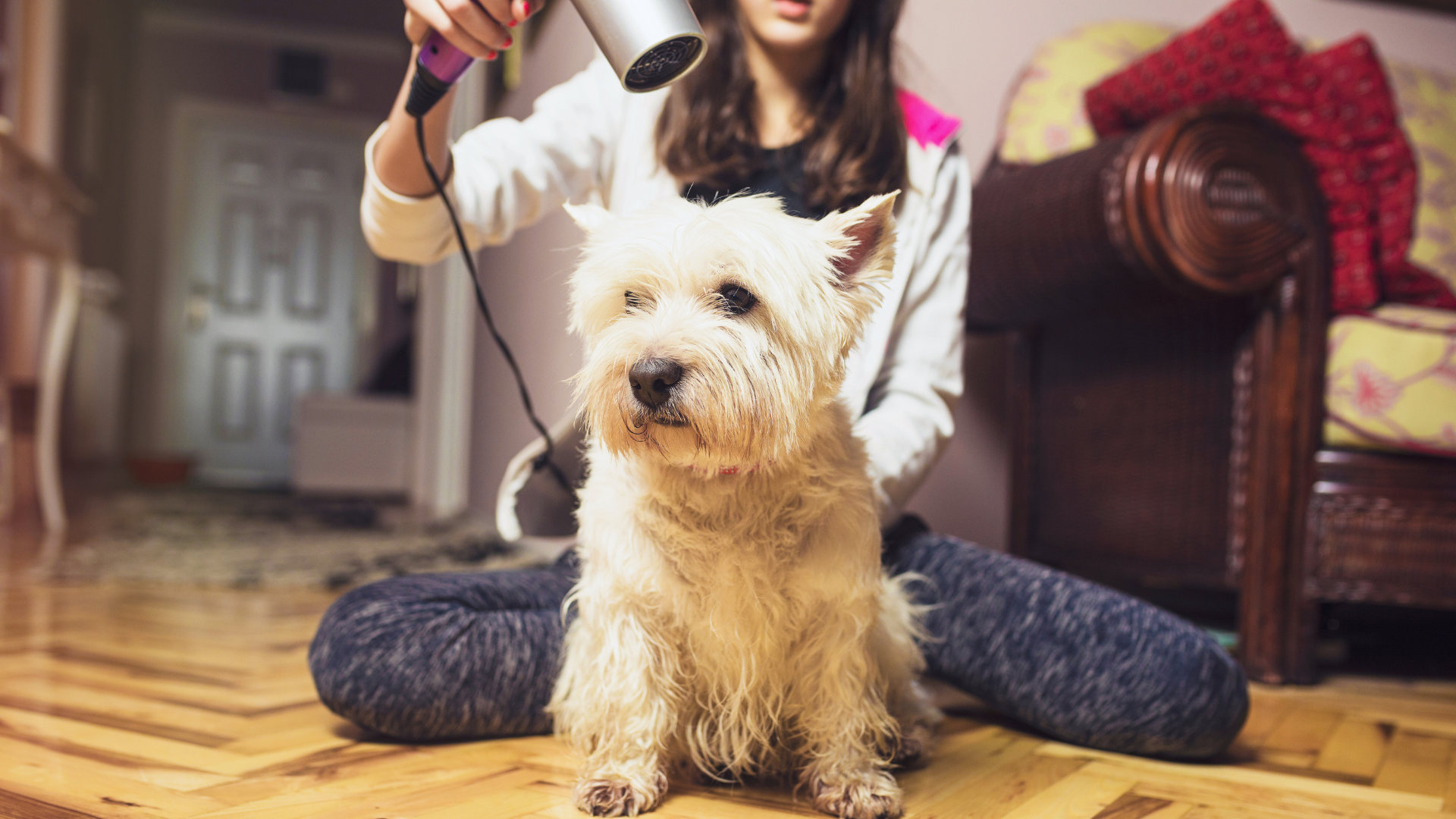
For those comfortable with it, a low-heat hair dryer can be used. Always keep it at a distance and on a low setting. Move it continuously to prevent overheating in any one area.
Monitor the pet’s comfort during this process. If at any point they seem stressed, switch back to towel drying. Combined efforts in drying techniques help to keep the coat looking its best while ensuring the pet’s comfort and safety.
Targeted Care for Pet Skin, Coat, and Paws
Proper grooming involves not just brushing but also focused care for skin health, coat maintenance, and paw protection. Each aspect plays a crucial role in a pet’s overall well-being.
Coat Maintenance and Shedding Solutions
Regular brushing is essential for removing loose hair and reducing shedding. Different pets have varying coat types, so selecting the right brush is important. For instance, slicker brushes work well for long-haired breeds, while bristle brushes are suitable for short-haired ones.
To manage shedding effectively, consider using grooming tools like de-shedding combs or grooming gloves. These can help capture loose fur without hurting the skin. A routine bath with a quality pet shampoo can enhance coat cleanliness and texture.
Skin health is also tied to coat maintenance. Regular brushing stimulates natural oil production, promoting a shiny and healthy coat. Always check for skin irritations or unusual lumps during grooming sessions.
Paw Care Essentials
Paw care is vital, as paws endure daily wear and tear. Regular inspections help identify issues, such as cracked pads or foreign objects lodged between toes. Keep the fur around the paws trimmed to prevent dirt buildup and contamination.
Use paw balms or wax to protect pads during harsh weather or rough terrains. Regular nail clippings are necessary to prevent discomfort and potential injury. An easy way to maintain nails is by using clippers designed for pets, ensuring they do not cut too close to the quick.
Cleaning paws after walks is also crucial. Wipe them with a damp cloth to remove dirt, salt, or chemicals from sidewalks. This practice supports skin health and prevents irritation.
Protecting Against Fleas and Ticks
Fleas and ticks pose significant health risks to pets. To guard against these pests, regular preventative treatments are essential. Products such as topical treatments, collars, or oral medications can be effective. It’s best to consult a veterinarian for recommendations tailored to the specific pet.
Regular grooming also aids in the detection of fleas and ticks. During brushing, check for any signs of infestations. Ensure to thoroughly inspect areas where fleas and ticks typically hide, such as in the fur around the ears and under the collar.
Maintaining a clean environment further supports pest control. Regularly wash pet bedding and vacuum living areas to eliminate flea eggs and larvae. These measures help ensure a more comfortable and healthy living space for pets.
Professional Tips for a Groomer-Level Finish
Achieving a professional-level finish when grooming a pet at home requires attention to detail and an understanding of grooming techniques. Key areas to focus on include maintaining oral hygiene and knowing when to seek assistance from a professional groomer, along with avoiding common pitfalls that can affect the grooming outcome.
Maintaining Oral Hygiene
A pet’s oral hygiene is crucial for its overall health and well-being. Neglecting dental care can lead to bad breath, tooth decay, and gum disease.
- Regular Brushing: Aim to brush a pet’s teeth at least two to three times a week. Use a toothbrush designed for pets and toothpaste formulated specifically for animals.
- Dental Chews: Incorporate dental chews into a pet’s routine. These can help reduce plaque and tartar buildup effectively.
- Routine Checks: Periodically inspect the gums and teeth for any signs of redness, swelling, or loose teeth. If issues arise, a visit to a veterinary professional is advisable.
- Water Additives: Consider using water additives designed for pets to enhance oral hygiene and make dental care easier.
Knowing When to Seek a Professional Groomer
While many grooming tasks can be done at home, recognising when a pet needs professional help is essential. Some situations require specialised skills or equipment that a home setup may not provide.
- Severe Mats or Tangling: If a pet has severely matted fur, attempting to groom at home can lead to skin injuries. Professionals have the experience to deal with these issues safely.
- Nail Trimming: A pet with dark nails can pose challenges for proper trimming. A professional groomer has the tools required to avoid cutting too short.
- Skin Conditions: If a pet has visible skin irritations or infections, seeking professional help ensures proper treatment.
- Behavioural Issues: Pets prone to anxiety or aggression during grooming may benefit from a groomer trained in handling difficult pets.
Avoiding Common Mistakes at Home
Many owners unintentionally make mistakes that can hinder the grooming process. Understanding and avoiding these common errors can lead to better results.
- Skipping Products: Using shampoo not designed for pets can lead to skin irritation. Always select pet-specific grooming products.
- Improper Tools: Using the wrong grooming tools can cause discomfort or injury. Clipper blades, scissors, and brushes need to be suited for the breed and coat type.
- Rushing the Process: Taking time is essential for both the pet’s comfort and the quality of the grooming. Rushing can lead to uneven cuts or missed areas.
- Ignoring Ear and Eye Care: Regularly check and clean a pet’s ears and eyes to prevent infections. Neglecting these areas is a common oversight.
By following these professional tips, pet owners can help ensure their grooming sessions yield a clean, healthy, and well-groomed pet akin to those serviced by professional dog groomers.